Reimagining Discover:
from overlooked
to essential.
A content marketplace that teachers had quietly stopped visiting and using. Inside there was a wealth of content they weren't able to find or review. And I was presented with a brief that asked for a search & filter - when what was actually needed was something much more considered.
49%
increase in visits to Discover
2×
time spent on the page
32%
teachers remixing content (up from 14%)
5–10%
better retention across the app
All organic... the new Discover was released on the 16th of December - one of the quietest periods of the year, with no official promotion until January
The problem
The problem
Teachers had quietly stopped coming back.
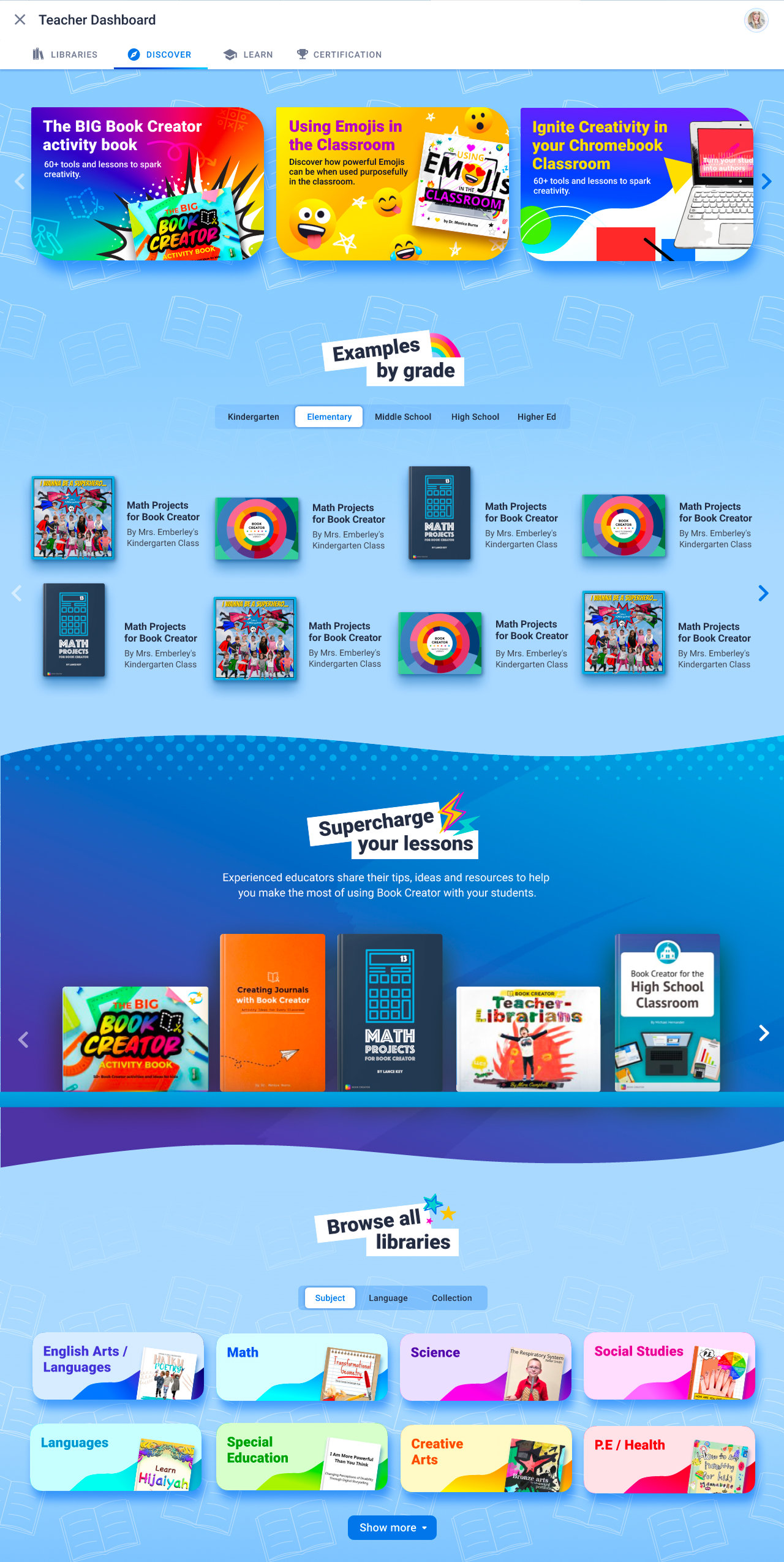
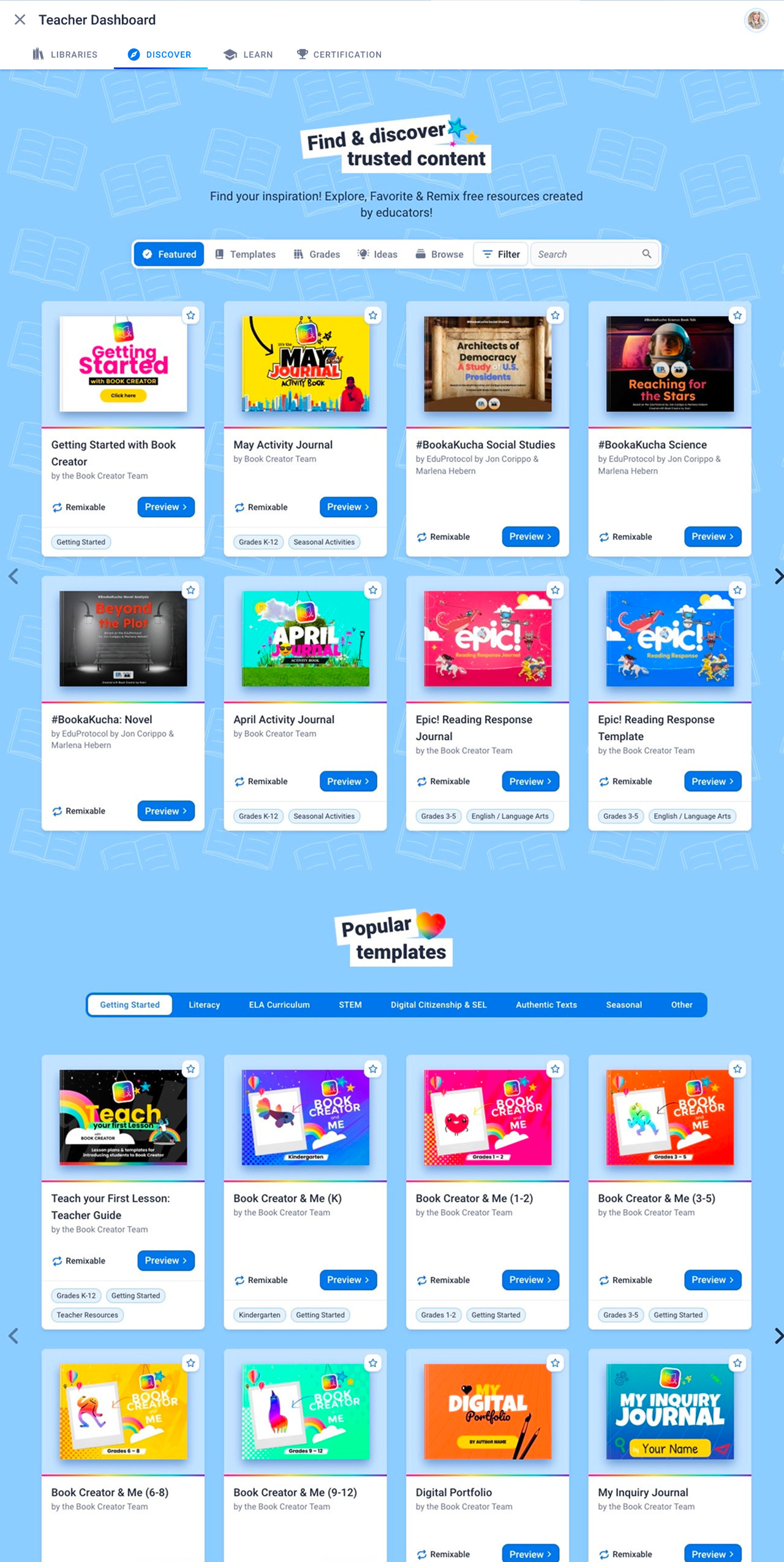
When teachers landed on Discover, they were largely on their own. There was no search, no filtering, no clear way to find content relevant to them or their students. The books on the page were hugely outdated. All of the different sections functioned in slightly different ways, making navigation feel inconsistent, unintuitive and pretty clunky.
Data from Fullstory told a clear story: teachers had largely stopped visiting. And those who did arrive barely scrolled, engaging almost exclusively with the cards at the very top of the page. Preview-to-remix conversions were low. Trust in the page had eroded quietly over time and, with it, the habit of coming back.
We had a wealth of content that teachers weren't finding. The gap between what existed and what was being used felt like both a problem and an opportunity.
The decision point
The decision point
A search filter - or create something worth returning to?
The initial brief was very focused: add search and filtering, see what the data tells us, iterate from there. I understood the instinct of wanting to do that. Making
But I had a concern... If we added search and filtering onto an experience that was already inconsistent and hard to trust, we'd be solving one problem while leaving the underlying one intact. Teachers would be able to search - and still land somewhere that felt uncertain and hard to navigate. The existing experience would be even more broken with a search added in.
The case I made
I didn't want to push a broken experience and further erode trust in the page we were trying to improve. We could still track each part of the journey strategically (and we did, building intentional data points into every stage that were tracked in Fullstory) but we'd be doing so in the context of an experience worth returning to.
I made the case to our PM that a more complete reimagining would serve the data and the user better. And, thankfully, the scope expanded and the project became something I'm really, genuinely, SO very proud of.
The design process
The design process
The hardest problem wasn't the search.
It was information density.
Each book had a title, an author, tags, a read count, a description, and more. Surfacing all of that on a card without overwhelming the page (while still giving teachers enough to make a decision) required a lot of iteration. We went down many rabbit holes. Some directions felt promising until they didn't.
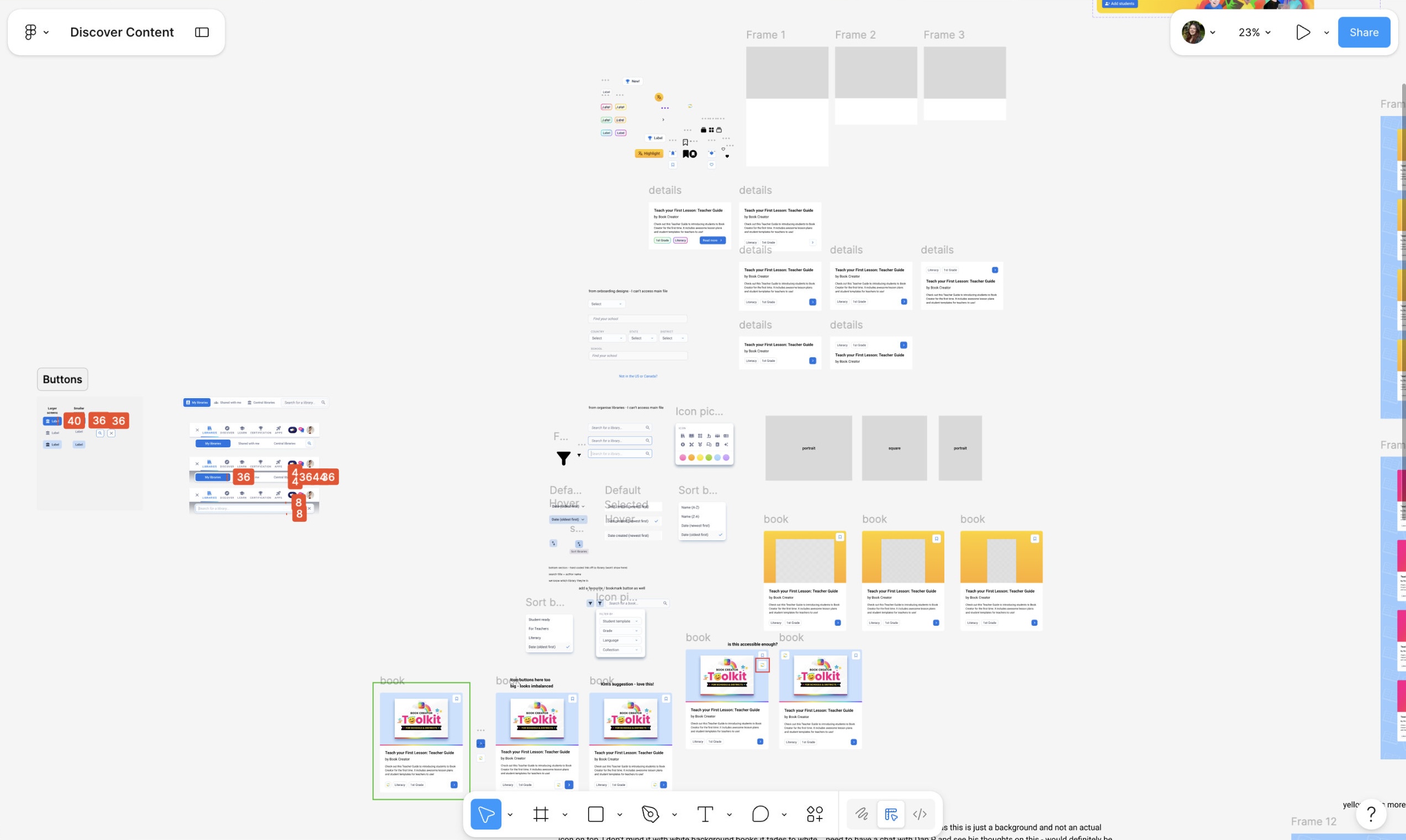
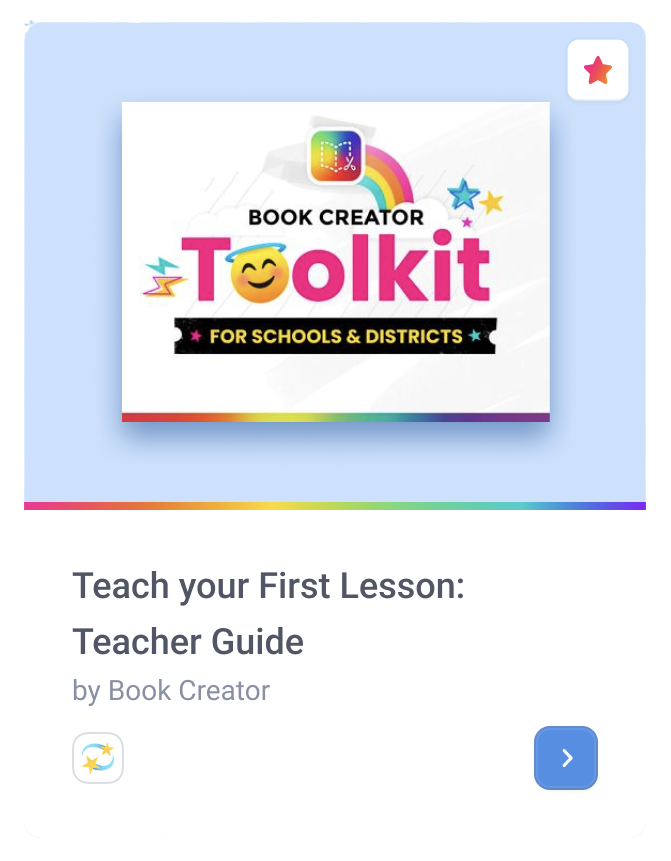
Early iterations exploring how much information to surface on each book card
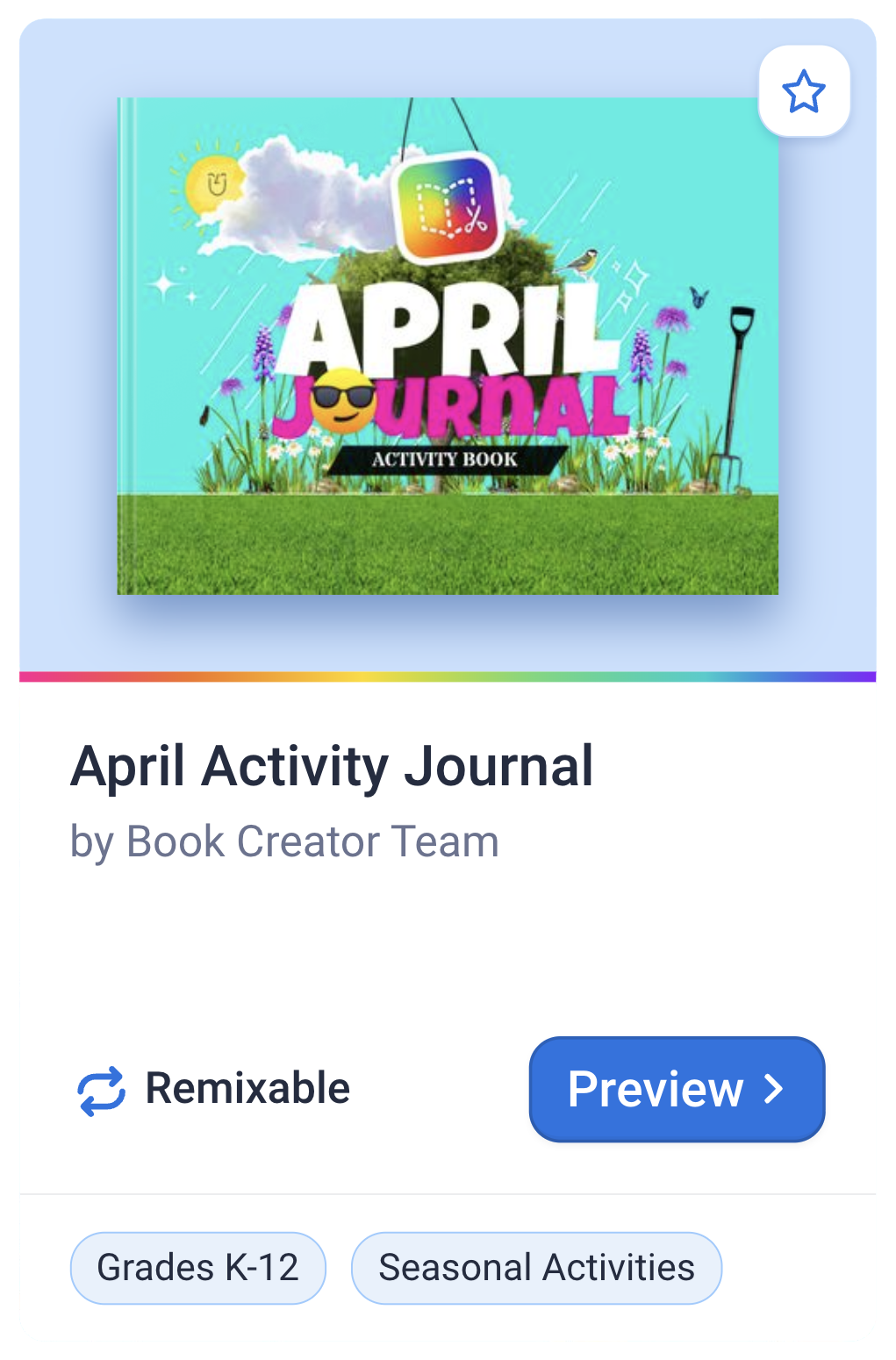
One of the clearest decisions came relatively late: removing the book description from the card view entirely. Keeping it only within the preview modal gave us a cleaner, less overwhelming page and pushed the description to exactly the moment when a teacher was already considering remixing the book. A small change that made the whole thing breathe better.
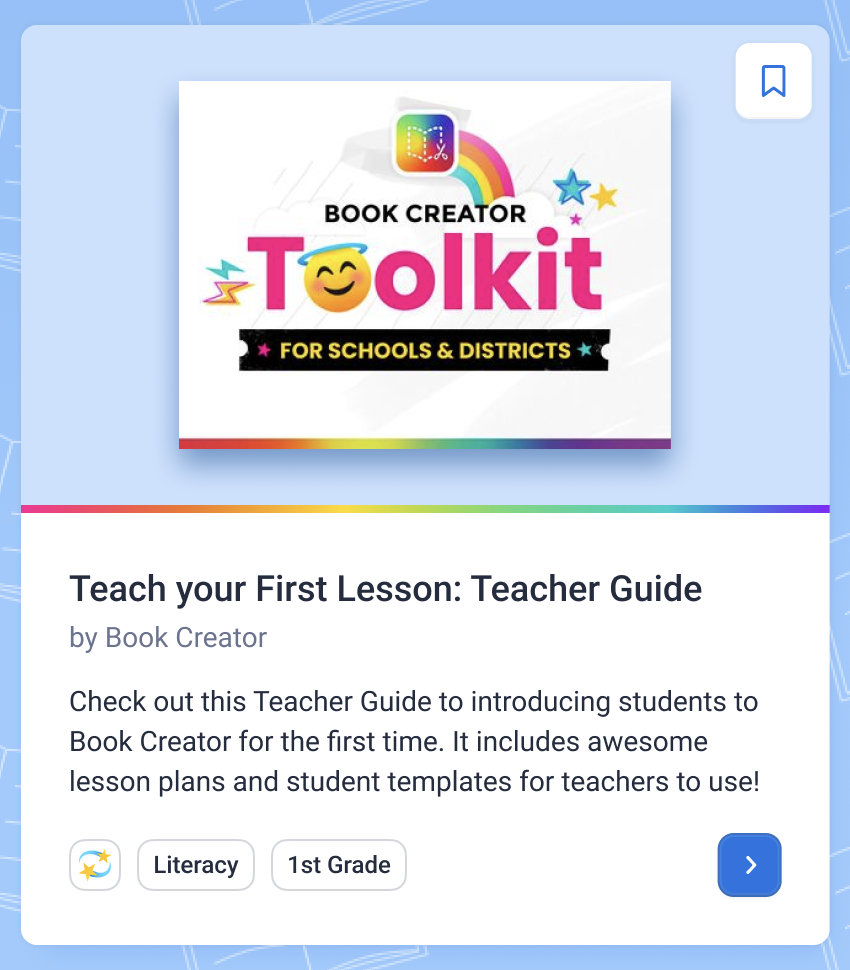
Everything visible
Title, author, description, tags, read count — too much to parse at a glance.
Description removed
Cleaner. Description moved to preview modal — where the decision is actually made.
Refined hierarchy
Title leads. Tags and read count support. Preview CTA clear.
The preview modal itself became one of the most important parts of the experience. Teachers needed enough information to decide whether a book was worth their time - without having to commit first.
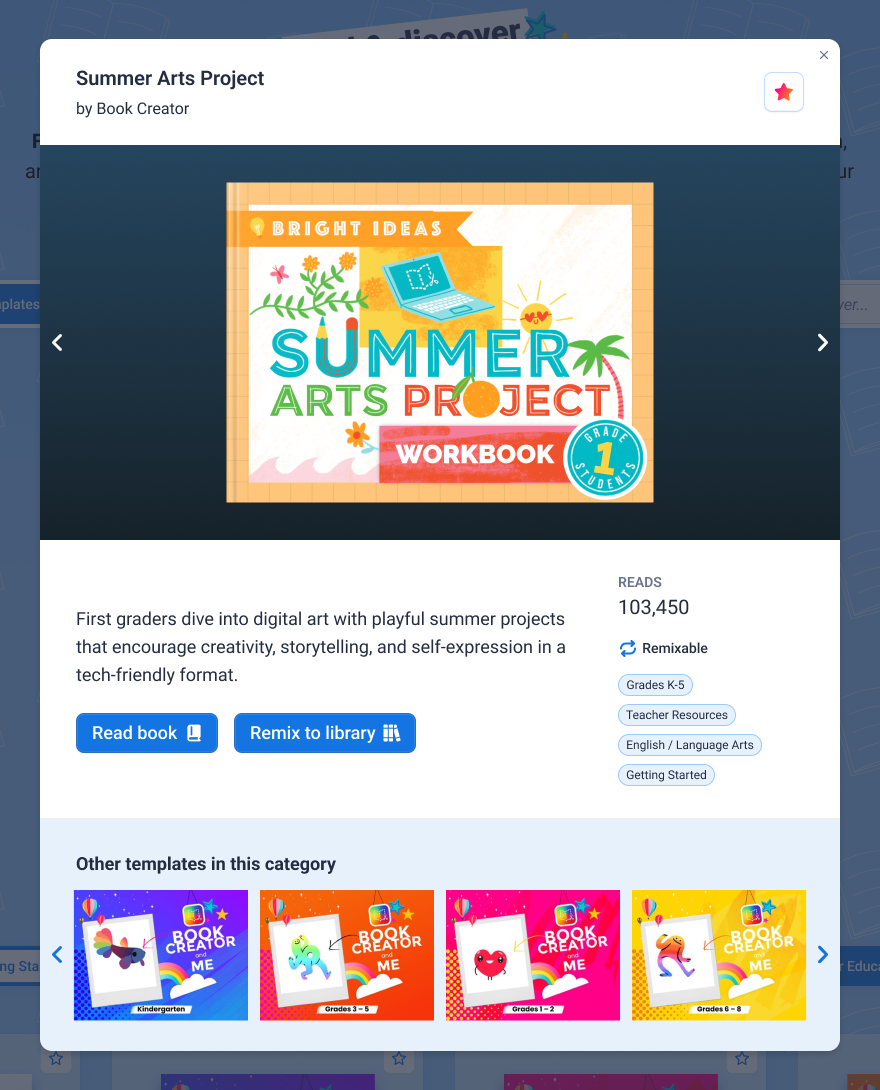
The preview modal — where the real decision to remix happens
Every part was designed to build on the others. Without one, the experience would break, and become more frustrating than the original problem.
The tagging and filtering system was the piece I'd push further if I had more time. We had a lot of content and a lot of filtering options, and the solution we landed on was functional but not as elegant as I'd have liked. The other parts of the project and feature improvements ended up being prioritised over it, which meant less time to experiment with better ways of working with them.
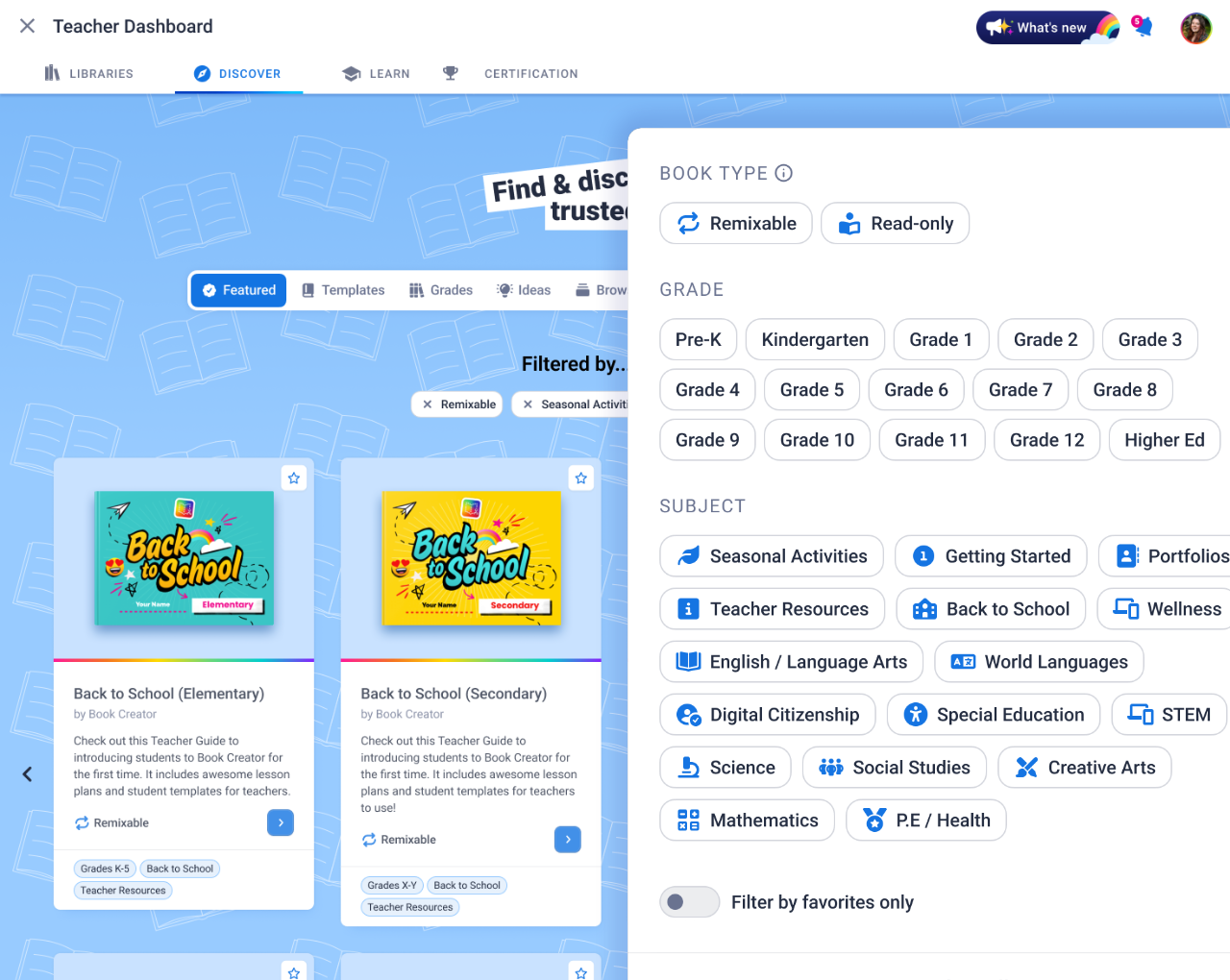
The filtering system — functional, but a candidate for refinement in a future iteration
The outcome
The outcome
Organic growth. No promotion.
Over Christmas.
We released on 16th December - not deliberately, as a soft launch, but because it was simply ready to go and it was a win to get it out in that calendar year! What happened in the data next was unexpected even to us.
49%
increase in visits to Discover
2×
time spent on the page
1 wk
to surpass the original goal
32%
remixing content (from 14%)
5–10%
better retention across the app
0
promotional campaigns driving this
Within a week, the metric we'd set as our original goal (an 11% increase in teachers visiting and remixing content) had already been surpassed - the figure had moved from 14% to 26%. A month later, it was at 32%.
No promotion drove this. There were no campaigns, no push notifications, no featured placements. Just a page that finally felt worth coming back to.
What I learned
Discovery is a trust problem as much as a design problem.
Teachers weren't avoiding Discover because they didn't want new content - they'd simply learned, over time, that the page wasn't worth the visit. Rebuilding that trust required more than new functionality. It required consistency, clarity, and an experience that felt like it had been thought through for them.
The decision to push for a fuller reimagining rather than an incremental patch was the right one. Not because incremental change is wrong (it often isn't) but because in this case, layering new features onto a broken foundation would have created a more polished version of the same problem.
If I had more time: I'd return to the tagging system and find something more elegant. The filtering we shipped was necessary - we had a lot of content and a lot of filtering options. But it wasn't given as much time as the other parts of Discover, and in my opinion - it shows. But I'm definitely being a bit picky, as the data shows the improvements made a huge difference to the users - and that's what matters most!